How the 2022 HHS Guidance Accidentally Made Healthcare Marketers Better
.jpg)



In January 2023, Lauren Anderson, Baptist Health’s Senior Digital Strategist and Copywriter, returned from maternity leave to a text message from her chief consumer officer: We need to remove Google Analytics.
Lauren later described the experience as, “getting hit by a wrecking ball.”
That reaction was common across the industry. When the U.S. Department of Health and Human Services (HHS) revised its guidance on tracking technologies in late 2022, most healthcare organizations treated it as a crisis.
In many ways, it was.
But in hindsight, the HHS guidance healthcare marketing teams feared may have done the industry a favor.
The organizations that moved fastest didn’t simply remove risky trackers. They rebuilt their measurement foundations around first-party data collection, tighter governance, and privacy-safe analytics. Nearly four years later, many of those teams have better attribution, stronger confidence in their data, and clearer visibility into booked and attended appointments than they had before.
What “Going Dark” Actually Forced Organizations To Do
The first instinct after the 2022 HHS guidance was understandable: remove tracking, reduce risk, and stop the bleeding. The more strategic response was harder — treat the disruption as a clean-slate moment.
That meant asking questions many organizations had never fully answered before:
- What trackers are actually running on our site?
- Where is data flowing?
- Which vendors have the right protections in place?
- What do we truly need to measure?
- If we were rebuilding from scratch, what would we want to track and why?
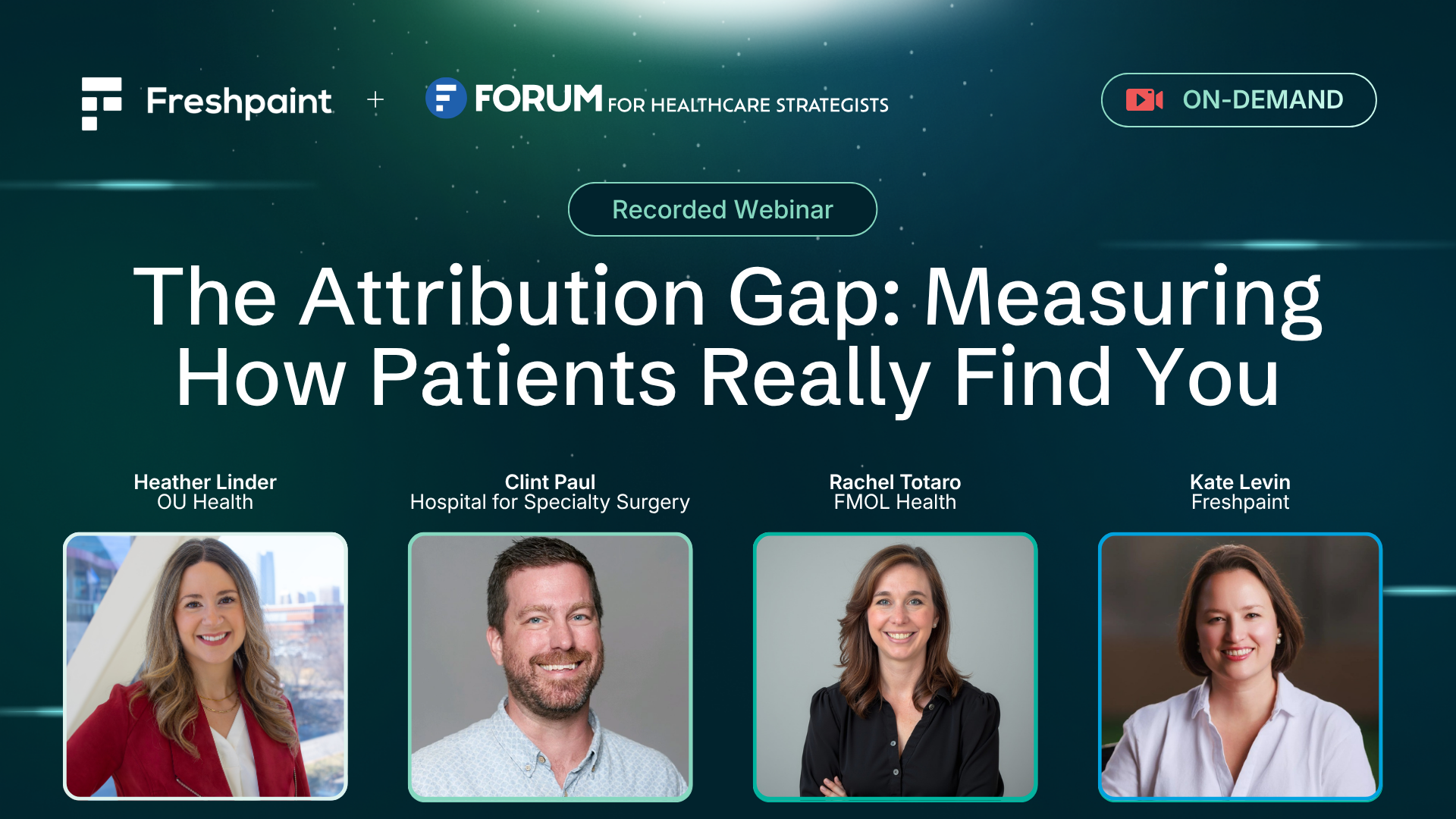
For Clint Paul, Hospital for Special Surgery’s Director of Marketing Analytics, and his team, that reset created an opportunity to rebuild intentionally.
"2022. Obviously scorched earth, get rid of everything that we were building towards and start fresh, which at the time was a scary thing,” shared Clint. “But it allowed us to be intentional about what we were rebuilding."
That intentionality became one of the most valuable outcomes of the privacy reset: for the first time, marketing, legal, compliance, and IT teams had to sit down together and map the organization’s tracking environment from end to end. They had to understand which tools created risk or value, and define what responsible data collection should look like moving forward.
This is why the rebuild cannot stop at “replace Google Analytics.” Marketing teams need a privacy-safe foundation that helps them control all web tracking, not just one analytics tag. In practice, that means three core capabilities:
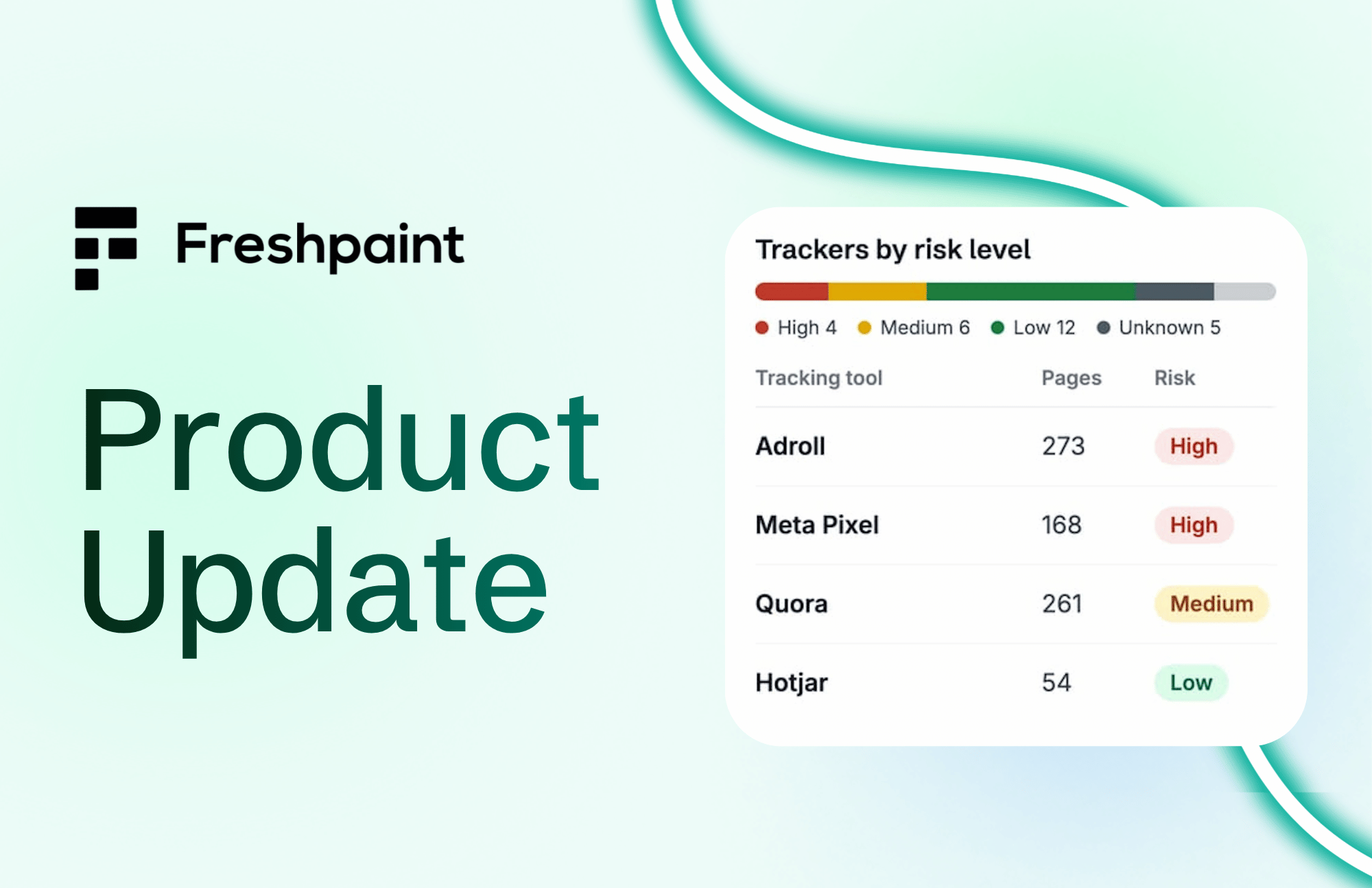
- A web tracker manager that shows every tracker running on the site and helps teams govern what is allowed.
- Consent management that makes data collection more intentional and easier to align with internal privacy standards.
- HIPAA-compliant analytics that preserve measurement visibility without exposing protected health information (PHI).
That combination is what healthcare organizations need from a modern privacy platform. That’s what Freshpaint was built for: organizations post-HHS guidance that are trying to regain visibility without recreating the same risks that caused the initial disruption.
The Organizations That Rebuilt Gained Something Better Than Compliance.
The marketing teams that came out ahead did not treat the HHS guidance as a temporary obstacle. They treated it as an invitation to own their data.
Before the guidance, much of healthcare marketing measurement depended on third-party trackers and platform-owned reporting. Google, Meta, and other vendors collected the signals, shaped the reporting, and determined how much visibility marketers got into actual performance.
That model had limits. Marketers were often renting signals rather than controlling them. They could optimize based on platform dashboards, but they had far less ownership over the data itself. The post-HHS guidance reset changed all that. Organizations that rebuilt around first-party data collection now have more control over what is collected, where it goes, and how it is used.
As one healthcare marketing leader explained, "We feel more ownership over our data. We know what is sent where, and we know who has access and how it's being used." Ownership matters because it creates more than a cleaner compliance story, it creates a better marketing system.
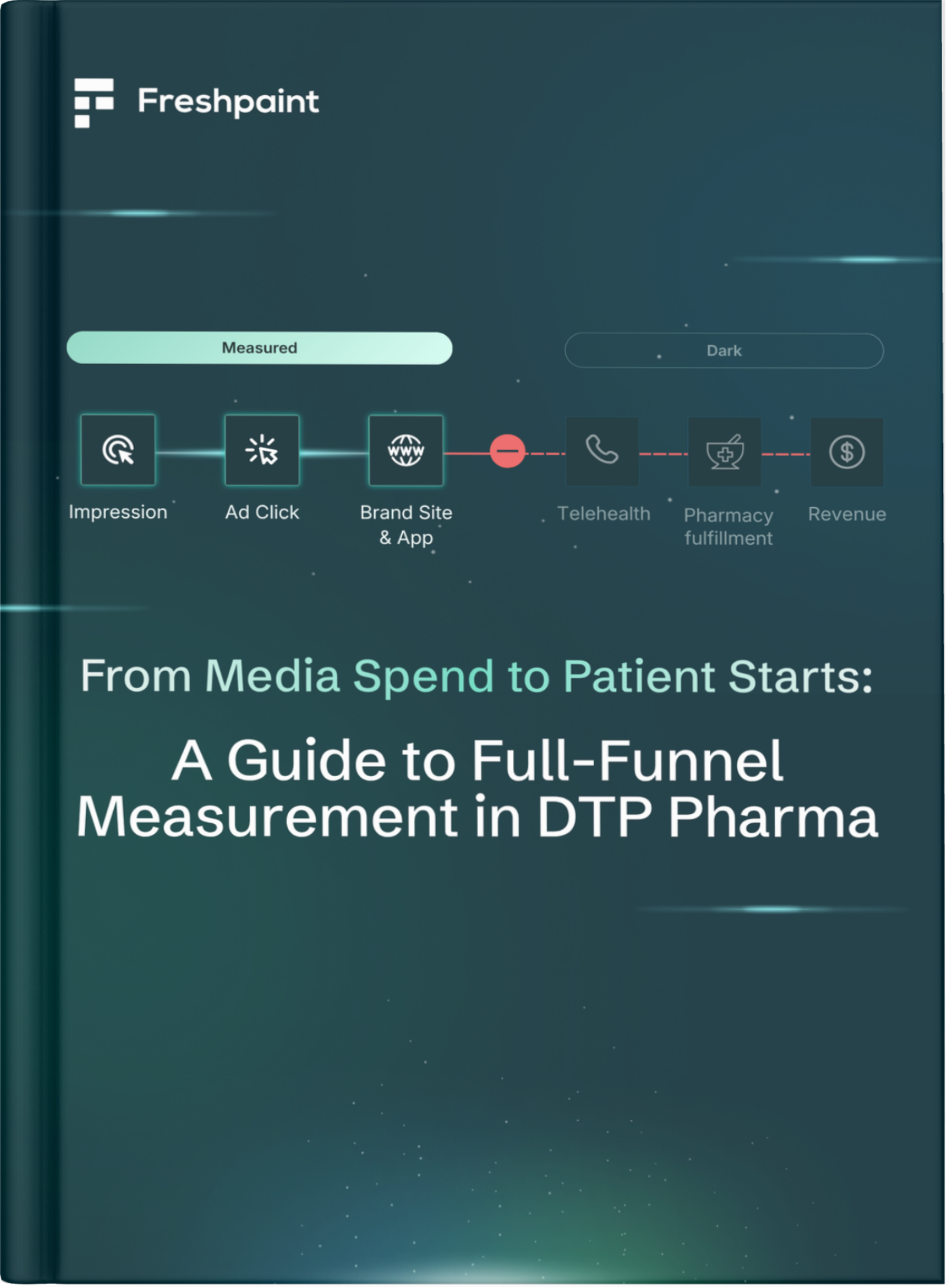
When healthcare organizations control their data foundation, they can build more accurate audiences, create stronger conversion signals, and connect campaign activity to downstream outcomes in ways native pixels never allowed. Instead of settling for click-based or form-fill proxies, they begin measuring the metrics that leadership cares about: appointments driven, attended visits, and revenue associated with marketing campaigns.
That is where the connection to Freshpaint’s privacy-first healthcare marketing platform comes into play. By enabling HIPAA-compliant first-party data collection, organizations can build a trusted measurement foundation while maintaining control over how data is collected, governed and activated. Once that foundation is in place, privacy-safe, closed loop attribution becomes possible, creating a clearer picture of how marketing influences patient acquisition and downstream outcomes.
What Healthcare Marketers Can Do Now That They Couldn't Before
The best proof that the reset post HHS guidance was worth it is what leading organizations are able to measure now.
For HSS, Clint and his team connected web analytics data to Epic, enabling true last-click attribution to booked appointments.
At Baptist Health, Lauren's team transformed how marketing performance is measured. They shifted away from form submissions as a marker for success to combining campaign performance data, web analytics, Epic appointment information, Salesforce data and Snowflake reporting to create automated dashboards that show booked appointments and attended appointments by campaign.
.jpg)
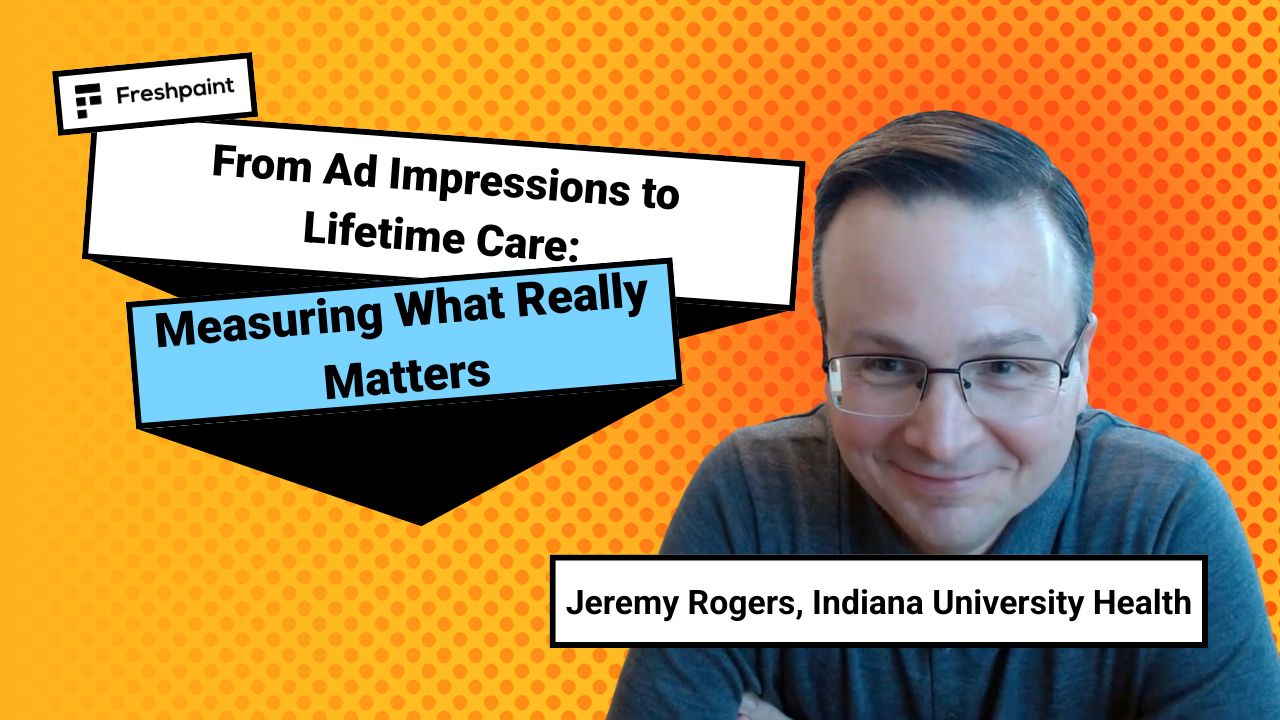
At Indiana University Health, Jeremy Rogers, the VP of Digital Marketing and Experience, and his team used the disruption to build a data lake that supports audience segmentation, personalization, and propensity modeling initiatives.
These organizations took different paths, but the pattern is the same. They did not just restore measurement. They built measurement systems that are more durable, trustworthy, and useful to the business.
That matters because healthcare marketing teams are under increasing pressure to prove impact with credibility, especially as budgets tighten. Leadership doesn’t just want to know whether a campaign has generated clicks. They want to know which investments are driving appointments, which channels influence downstream outcomes and where marketing dollars are being wasted.
A first-party foundation paired with privacy-safe analytics and closed-loop attribution doesn’t just improve measurement. It gives teams the ability to act on what they learn. Marketers can send stronger conversion signals back to advertising platforms, improve audience quality, reduce wasted spend, and make more confident budget decisions based on outcomes instead of assumptions.
The Competitive Gap Is Widening, But It’s Not Too Late To Catch Up
Healthcare marketing is increasingly splitting into two groups. The first group treated the HHS disruption as a short-term compliance event — remove risk, wait for clarity, and preserve as much of the old setup as possible. The second group treated it as a chance to modernize. They rebuilt around first-party data collection, created better governance, and invested in measurement systems they could trust.
The gap between those groups is widening.
Organizations that embraced the post-HHS guidance reset now have stronger reporting, more credible attribution, and a better ability to prove marketing's contribution to growth.
- Baptist Health can see which campaigns drove booked and attended appointments — something they couldn’t do before.
- HSS connected web analytics to Epic for true last-click attribution.
- IU Health built a data infrastructure that supports segmentation, personalization, and propensity modeling.
These aren’t edge cases. They’re the new baseline for what healthcare marketing measurement looks like when it’s built right.
Freshpaint has been inside that rebuild at health systems across the country.
We're not watching this transition from the outside — we're the infrastructure layer that makes it possible: tracker governance, consent management, HIPAA-compliant analytics, and closed-loop attribution, built specifically for healthcare. The organizations named in this piece didn't just choose a vendor. They built a foundation with a partner who understood what was at stake.
If you're ready to close the gap, we'd like to talk. Speak with a Freshpaint expert today.